In Metro Phoenix’s luxury market, buyers rarely expect perfection—but they do expect completion.
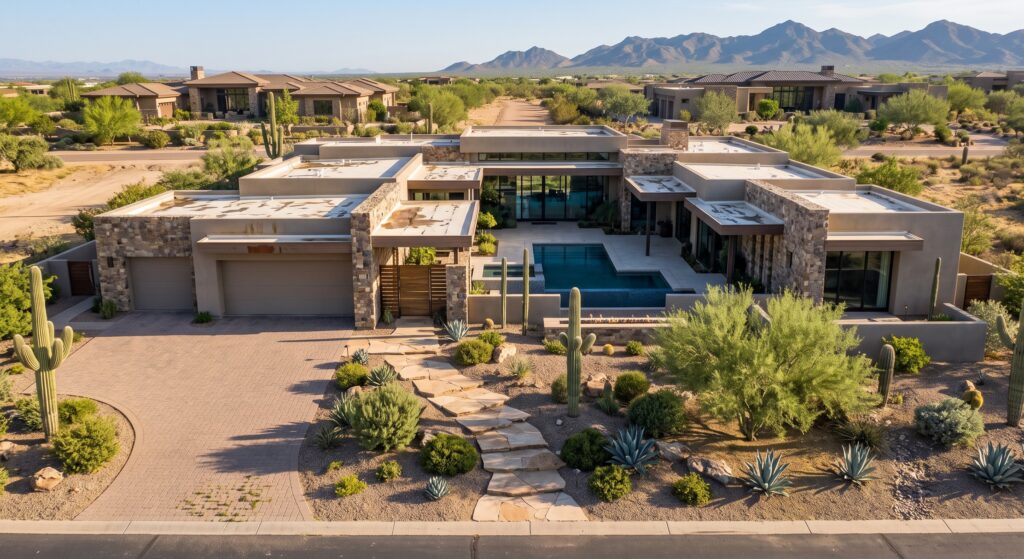
A home priced above $2 million may offer exceptional architecture, impressive views and premium finishes, yet still struggle to sell because it feels almost finished. An incomplete remodel, aging roof, dated secondary spaces or collection of minor repairs can quietly undermine the property’s perceived value.
At this price point, buyers rarely judge defects individually. Instead, they ask: If these are the problems I can see, what else has been deferred?
Small Defects Can Create Large Doubts
Peeling paint, cracked stucco, clouded windows, worn pool surfaces, mismatched flooring or malfunctioning smart-home features may appear relatively minor. When several are present, however, they can make the entire property feel poorly maintained.
Luxury buyers are not simply calculating repair costs. They are pricing the inconvenience, uncertainty and time involved in managing contractors after closing. As a result, their mental deduction may be considerably greater than the actual cost of completing the work.
“The Buyer Can Finish It” Can Be Expensive
Sellers sometimes assume buyers will appreciate the opportunity to finish a project according to their own tastes. More often, incomplete construction creates uncomfortable questions:
- Was the work properly permitted?
- Why was the project stopped?
- Are matching materials still available?
- Were hidden problems discovered?
- How much will completion actually cost?
Even when the explanation is harmless, ambiguity gives buyers additional negotiating leverage. A nearly finished renovation may require only a few final components, but buyers may price it like a much larger project because they cannot easily verify the quality or condition of the existing work.
Not Everything Should Be Remodeled
Preparing a luxury home for sale does not mean renovating every dated space. Major speculative improvements can consume time and money without producing an equal return.
The better strategy is often to correct defects, finish existing projects and improve presentation without redesigning the property for an unknown buyer.
Priority items may include active roof or plumbing problems, exterior deterioration, unfinished construction, damaged components, missing fixtures and conditions likely to become inspection objections. A functional but dated kitchen, by contrast, may benefit more from updated lighting, hardware, paint and selective repairs than from a complete replacement.
Luxury Buyers Purchase Confidence
Metro Phoenix luxury homes often contain complex roofing systems, multiple HVAC units, pools, automation, natural stone and extensive outdoor improvements. Buyers are evaluating not only the beauty of these features but also their potential future cost.
Maintenance records, permits, warranties and repair invoices can provide valuable reassurance. A seller who can clearly explain what was repaired, when it was completed and who performed the work is better positioned than one who simply says, “It has always worked.”
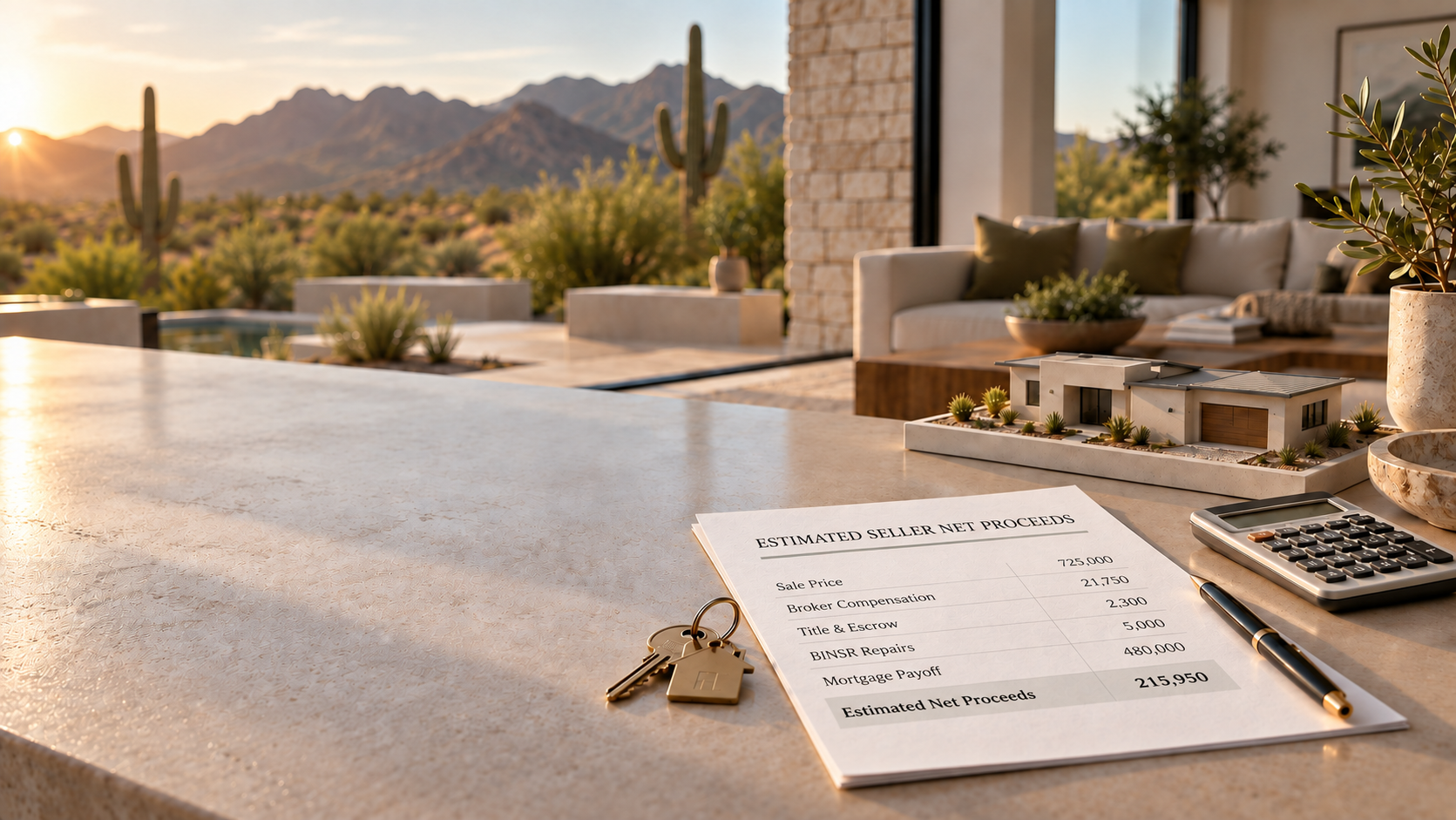
A pre-listing property assessment can help identify both visible presentation issues and conditions likely to surface during inspections. An experienced real estate agent with access to full general-contractor resources can then prioritize work according to marketability, inspection risk and potential return.
The goal is not to manufacture perfection or conceal defects. Arizona sellers must still disclose known material facts. The goal is to understand the property, complete the right work, document it properly and enter the market with fewer surprises.
In luxury real estate, “almost finished” can be one of the most expensive conditions in which to sell. Completing the right details can make the difference between a property that merely attracts attention and one that inspires the confidence required to produce an exceptional offer.
If you are considering selling a luxury home in Metro Phoenix, contact The Cooper Group at Success Property Brokers with any questions. Our combination of luxury real estate experience and access to general-contractor resources can help you determine what should be repaired, completed or left for the next owner before your home enters the market.